

Life Sciences
Science moving, evidence holding.
Research scientists, lab operations, clinical research, medical device engineering, bioinformatics and biostatistics for biotechs, CROs and device companies. Screened on the techniques and data you actually depend on.
- 6 functions
- from the bench and the core lab through clinical research, devices and data
- Technique specific
- matched on the assays, models and platforms you run, not on a degree title
- Funding aware
- contract and contract-to-hire arrangements that follow a funding round or a study timeline
Life Sciences
In life sciences, the degree tells you very little.
We staff biotechnology companies, contract research organisations, research institutes, hospital research units and medical device companies: research scientists and associates, laboratory operations, clinical research, device engineering and quality, bioinformatics and biostatistics.
Two candidates with the same PhD can be entirely wrong for each other's jobs. What matters is the technique: which assays, which models, which instruments, which data. We screen on that, in the vocabulary of the lab, because a shortlist built on degree titles wastes your scientists' time.
The other reality is timing. Hiring here follows funding rounds, grant cycles and study milestones, and it often has to move fast or not at all. Contract and contract-to-hire arrangements let you staff the work in front of you without committing headcount before the next milestone is certain.
Functions
What we actually recruit for.
Pick one and you get what they actually produce, the seniority we fill, and the tools and standards a screen has to cover.

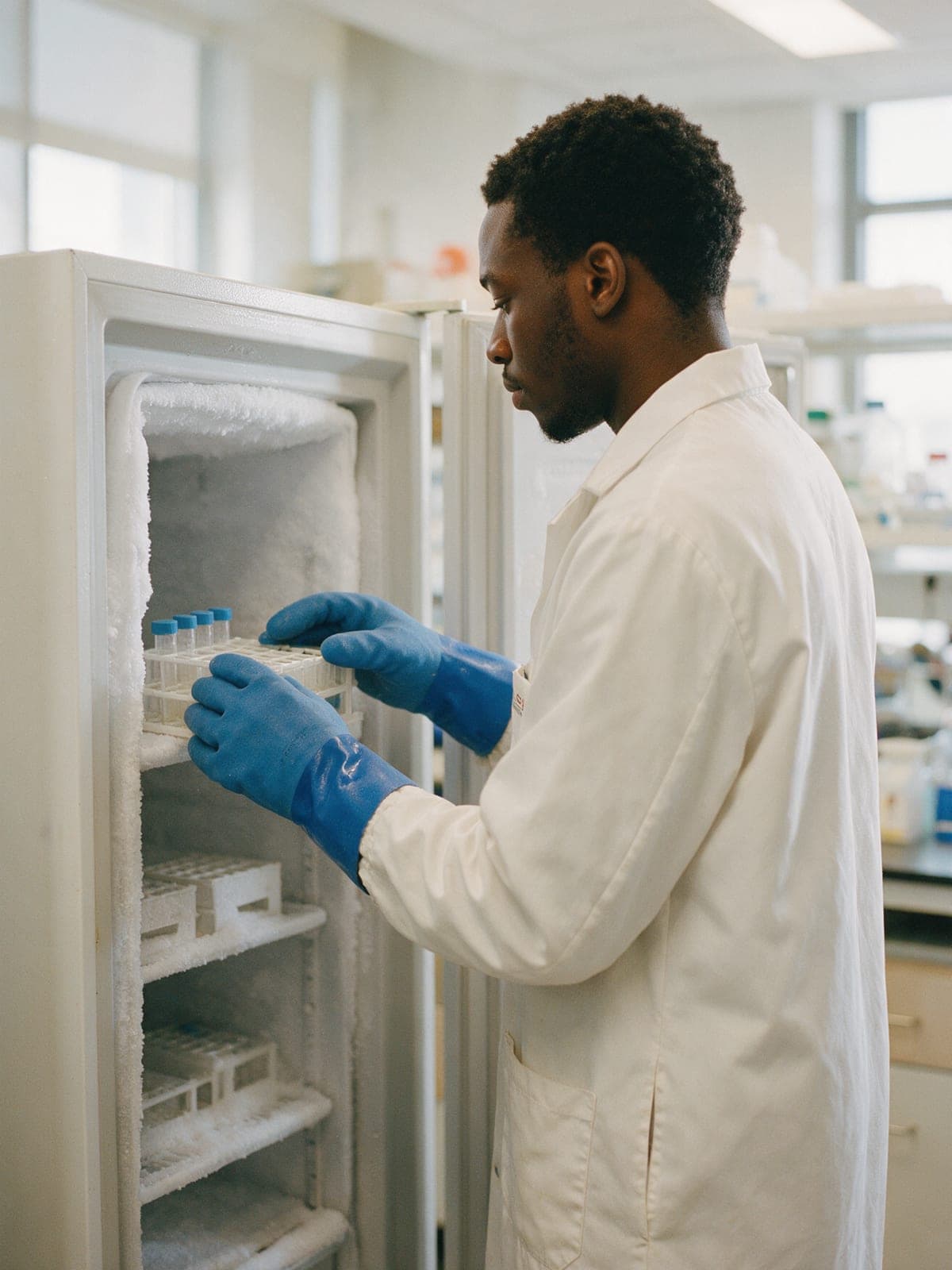
Experiments designed, run and repeated, assays developed, and data a project team can make decisions on.
- Seniority we fill
- Research associate through to senior scientist
- Tools
- Cell cultureqPCR and ddPCRFlow cytometryELISA and immunoassaysCRISPR workflows
- Standards
- Electronic lab notebooksGLP where requiredBiosafety level practice
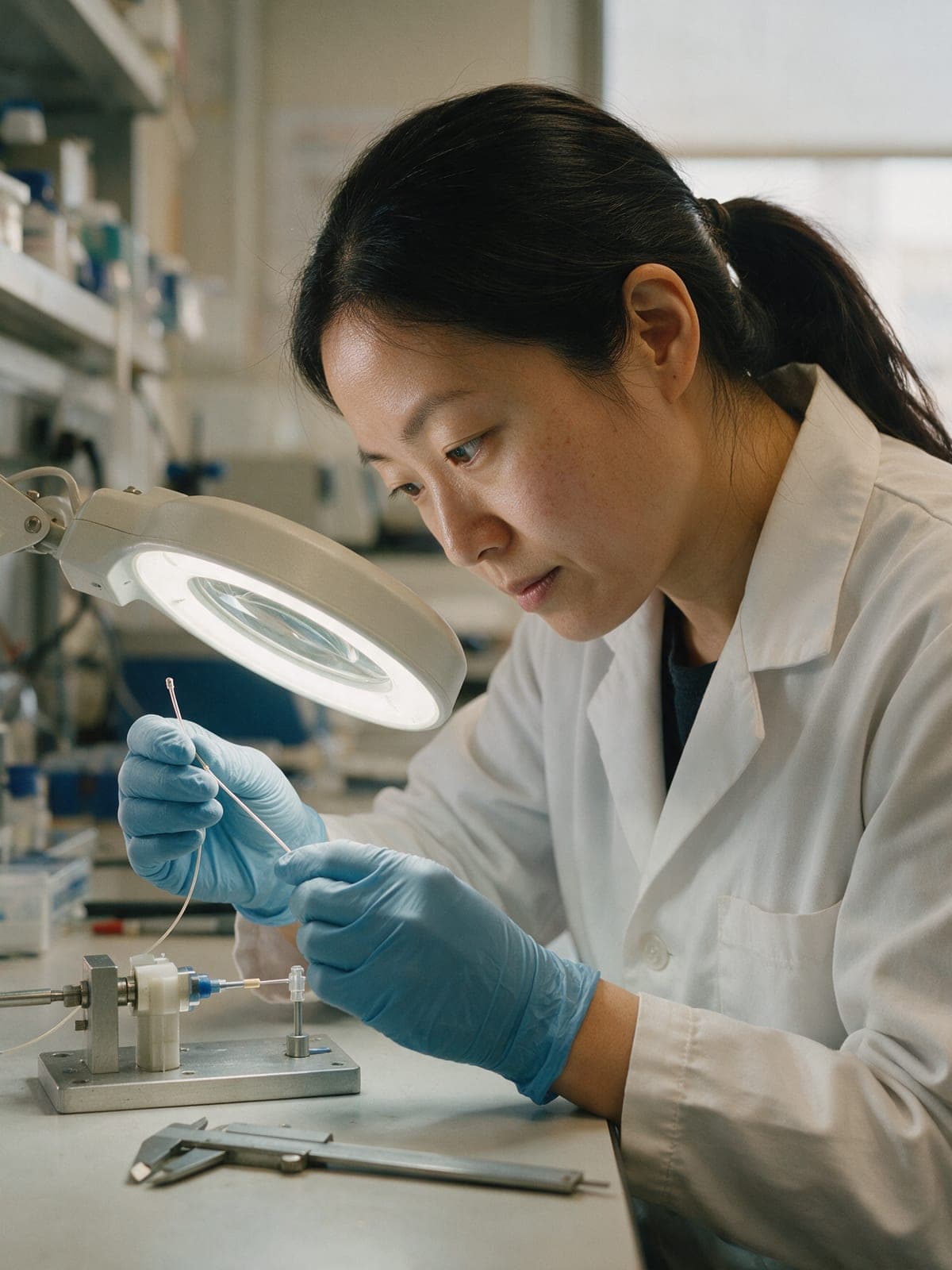
Experiments designed, run and repeated, assays developed, and data a project team can make decisions on.
- Seniority we fill
- Research associate through to senior scientist
- Tools
- Cell cultureqPCR and ddPCRFlow cytometryELISA and immunoassaysCRISPR workflows
- Standards
- Electronic lab notebooksGLP where requiredBiosafety level practice



The vocabulary
What we recruit against.
Technique, modality and data. Those three questions decide a life sciences shortlist far more than a degree title does.
Lab techniques
- Cell culture
- qPCR
- Flow cytometry
- ELISA
- NGS library prep
- CRISPR
- Mass spectrometry
Clinical and device systems
- Medidata Rave
- Veeva Vault CTMS
- eTMF
- SolidWorks
- Design control platforms
Data
- Python
- R
- SAS
- Nextflow
- CDISC SDTM and ADaM
- AWS
Standards
- ICH E6 GCP
- GLP
- ISO 13485
- 21 CFR Part 820
- ISO 14971
- 21 CFR Part 11
Same degree, different science. The technique on the bench decides the shortlist, not the title on the diploma.
Screening
How we screen for a lab.
Life sciences screening is about specificity. A broad question gets a broad shortlist, and here a broad shortlist is one your scientists have to filter themselves.
- 01
Technique and modality named
Which assays, models, instruments and therapeutic areas. The question that decides whether a candidate can contribute in their first month.
- 02
Hands on depth established
Ran the assay, developed it, or supervised the people who did. Three very different candidates write the same line on a resume.
- 03
Regulated or discovery
Whether the candidate has worked under GLP, GCP or design controls, or only in discovery. Both are valuable; they are not interchangeable.
- 04
Data and documentation habits
How they record experiments, version analysis and hand work on. In regulated settings this decides whether the work counts.
- 05
A reference from a principal investigator or lead
Somebody who relied on their results, not a general line manager.
Straight answer
Where the market is actually tight.
What our recruiters see running these searches. Experience rather than a guarantee.
| Role | What the market looks like | Realistic shortlist |
|---|---|---|
| Lab technicians and operations | Available near research clusters, thinner outside them. | One to three weeks |
| Research associates | A healthy supply of graduates. Specific technique experience narrows it quickly. | Two to four weeks |
| Clinical research coordinators | Steady, and site and therapeutic area experience matter. | Two to four weeks |
| Medical device quality and design engineers | Competitive, particularly with design control and risk file ownership. | Four to six weeks |
| Bioinformaticians | Tight, and single cell and multi-omics experience tighter still. | Four to six weeks |
| Biostatisticians | Scarce at senior levels, often remote and national. | Five weeks and up |
Data roles in life sciences increasingly run remote or hybrid, which widens the search to a national market. Bench roles cannot, and are bounded by the commute to the lab.
Shapes
Three shapes this usually takes.
Life sciences demand follows funding rounds, grants and study milestones.
Milestone staffing
Scientists and associates against a programme milestone or a funded workplan.
- When it fits
- A new programme after a funding round, a data readout, a grant deliverable.
- The arrangement
- Contract or contract-to-hire, so headcount follows the next milestone rather than running ahead of it.
Study and site support
Clinical research coordinators, monitors and data staff around a study timeline.
- When it fits
- Study start up, enrolment peaks, database lock.
- The arrangement
- Contract for the study phase, with an agreed end date.
Lab operations cover
Technicians and lab operations staff who keep the lab running.
- When it fits
- A lab move or expansion, leave cover, an instrument or biobank backlog.
- The arrangement
- Temporary or contract-to-hire, with biosafety and shift requirements confirmed up front.
Before you call
What to have ready before you call.
Five specifics here are worth more than a full job description.
- The techniques, models or instruments the person must already know
- The therapeutic area or modality, if it matters
- Whether the work is regulated (GLP, GCP, design controls) or discovery
- Whether the role runs the work, develops it or leads it
- On site, hybrid or remote, and the biosafety level of the lab
- The rate or salary band, and how long funding for the role is secured
Open roles
A sample of life sciences roles we fill.
Questions
Before you call.
Pharma is about making and releasing product under GMP: manufacturing, quality, validation and supply. Life sciences is about discovering and proving: research, clinical studies, devices and the data behind them. Many organisations need both, and we recruit for each on its own terms.
Funding landed, or a study about to start?
Tell us the technique, the modality and the timeline. We will tell you where the people actually are.